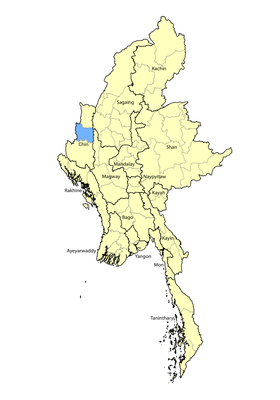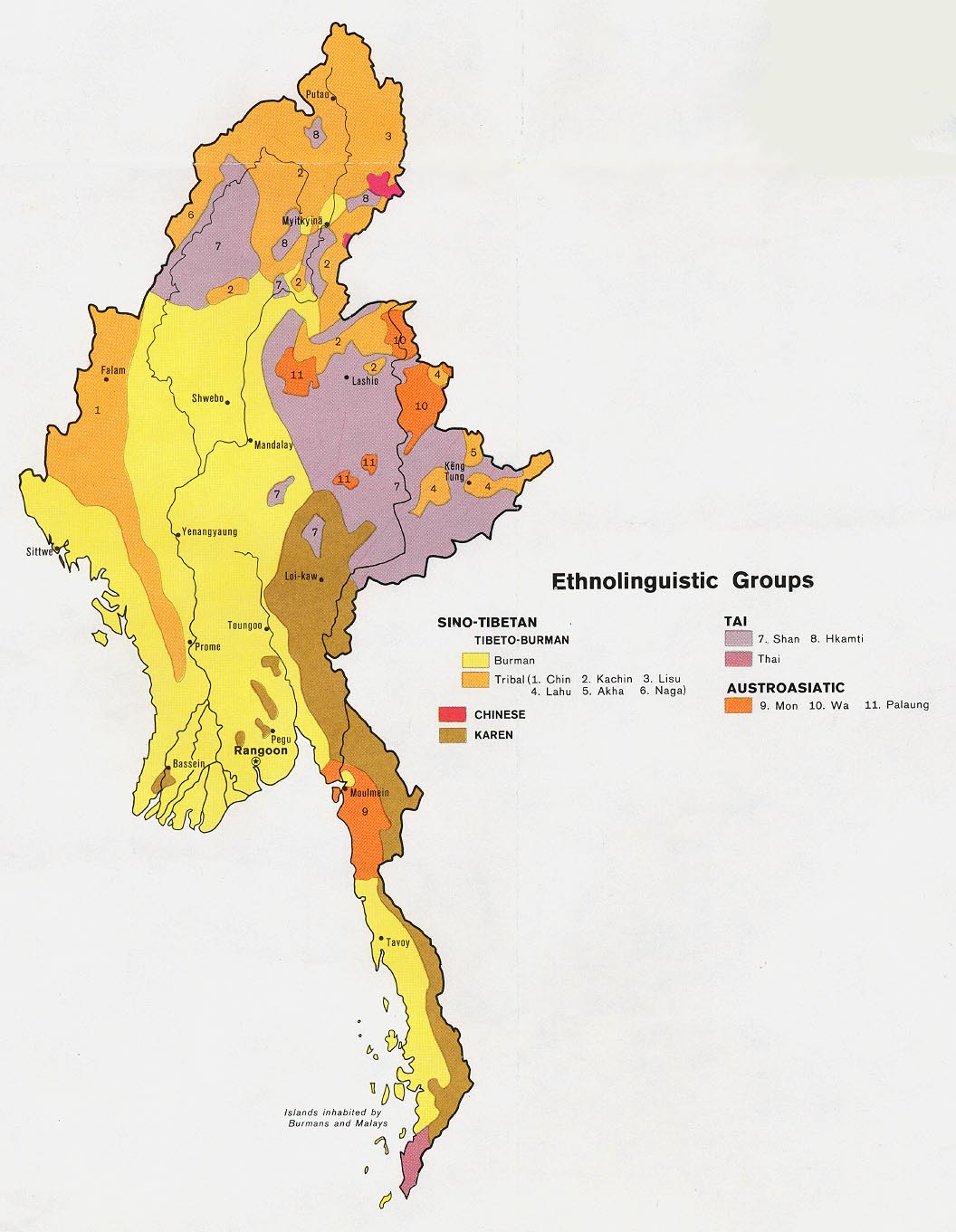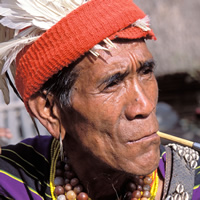

The Zophei live primarily in Thantlang Township in Chin State and in adjacent areas across the border in Mizoram, and their main language is Zyphe Chin. Linguistic surveys and recent descriptive work treat Zophei as a distinct member of the Maraic branch and document multiple local dialects and patterns of mutual influence with neighboring Chin varieties. For generations Zyphe was an oral language; a Roman based orthography was developed in the late twentieth century and has supported literacy and local publications.
Historical sources record long standing clan identities and cross border ties that shape settlement and social networks. Colonial and missionary accounts provide historical detail about social change and early literacy efforts, but those accounts often reflect the perspectives and language of their time and should be read alongside contemporary ethnographic and linguistic studies for a balanced view.
Zophei communities live in mountainous village clusters where subsistence agriculture, local crafts, and seasonal livelihoods shape daily life. Social organization centers on kin networks, village institutions, and intergroup ties with neighboring Chin communities. Cultural expression includes distinctive festivals, music, and dance, and many community members are multilingual, speaking Zophei alongside regional Chin varieties and Mizo. Missionary era schooling contributed to relatively high literacy in parts of the district, and local education and church networks continue to influence social life.
Religious life among the Zophei reflects a strong Christian presence alongside residual customary practices in some localities. Missionary activity and local translation work have supported the growth of Christian congregations, and the availability of Scripture in the Zophei variety has strengthened local faith communities. Responses to the Gospel have varied across villages, and traditional ritual forms continue to inform cultural identity for some families.
Zophei communities benefit from continued support for language documentation and literacy in the Zophei orthography, culturally appropriate education, and resources that sustain local livelihoods. Preservation of oral traditions and support for community led cultural initiatives are important for intergenerational transmission. Access to health services, infrastructure improvements, and locally led development planning that respects customary institutions are additional priorities. Translation and literacy work should be coordinated with local leaders and informed by current field assessments.
Pray for believers from among the Zophei to grow as faithful workers, for the Holy Spirit to guide them and their families, and for them to be accurate and loving witnesses of Christ to the lost.
Pray for improved access to healthcare and for practical support for families facing medical and wellbeing challenges.
Pray for expanded educational and vocational opportunities for children and youth, and for local and regional leaders to make wise and just decisions that benefit the community.
Pray for the Holy Spirit to send a powerful revival to Zophei families and churches.
Scripture Prayers for the Zophei in Myanmar (Burma).
Asia Harvest
Zyphe language — Wikipedia
Zophei Language Resource collection — University of North Texas Digital Library; Samson Lotven, The Sound Systems of Zophei Dialects and Other Maraic Languages (doctoral dissertation)
Zyphe language and alphabet — Omniglot
Vumson, Zo History: With an Introduction to Zo Culture, Economy, Religion, and their Status as an Ethnic Minority in India, Burma, and Bangladesh (Aizawl, India: self published, 1988)
Laura Hardin Carson, Pioneer Trails, Trials & Triumphs (Foundations of Grace Publishing, 2020)
| Profile Source: Joshua Project |
| Other PDF Profile |